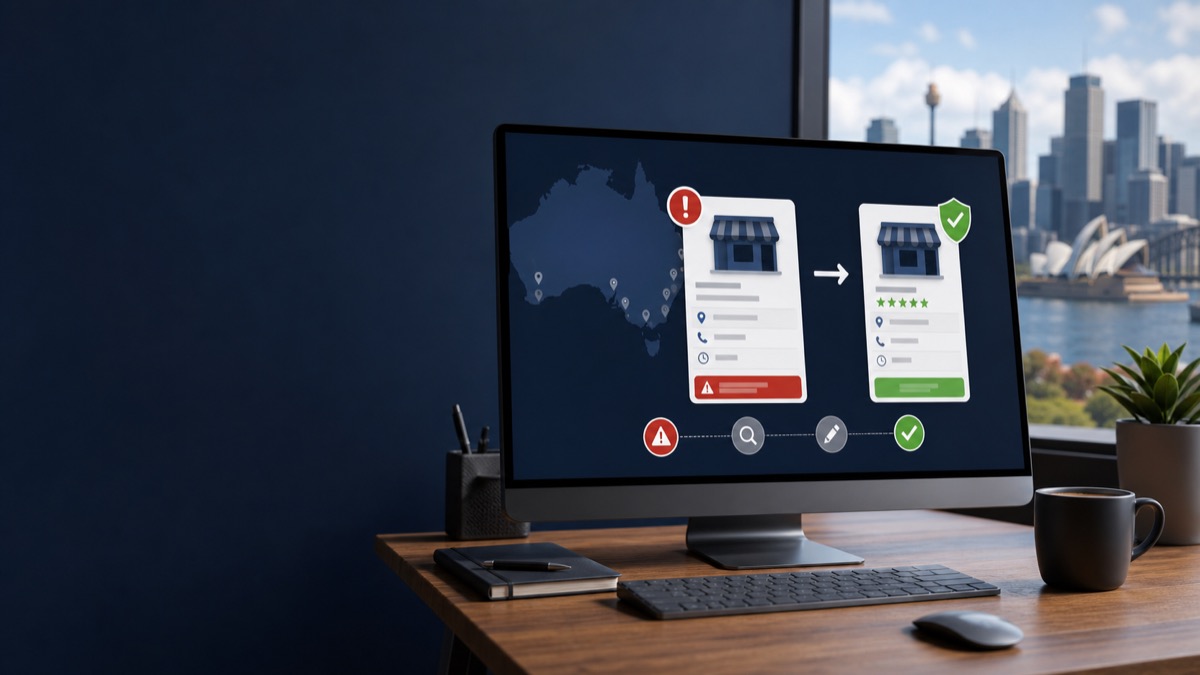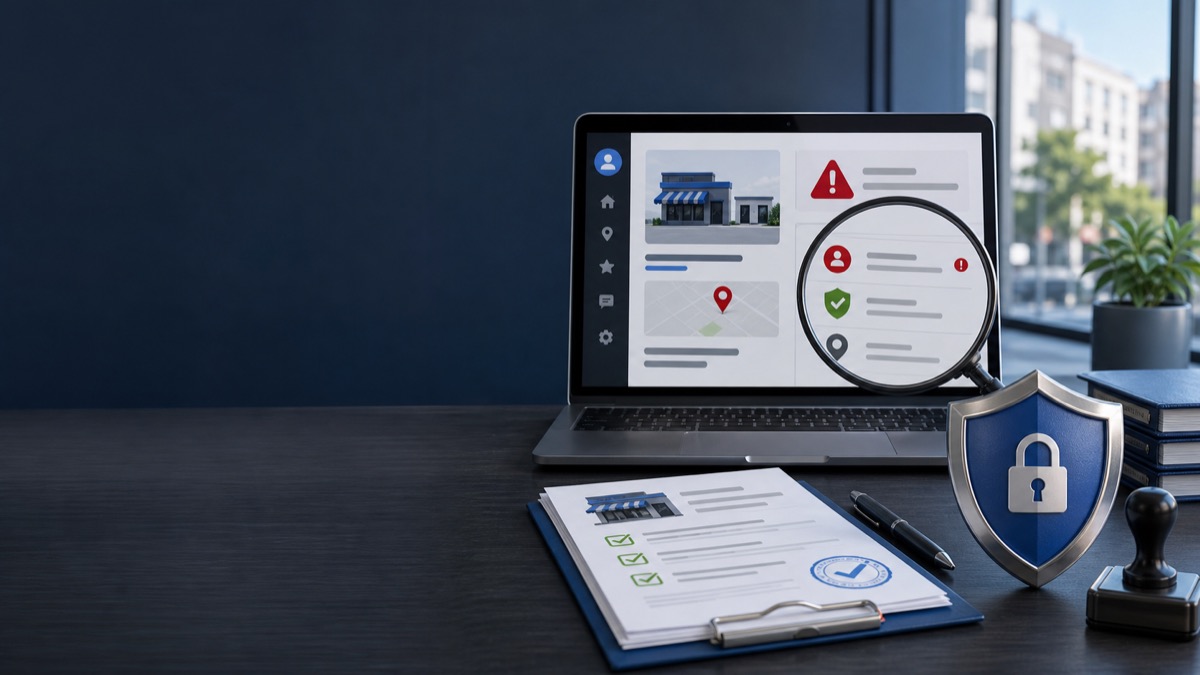
Quick answer: A service-area business that travels to customers should normally hide an address where customers are not served. Recovery evidence should prove the business exists, operates in the claimed region, and is controlled by the owner through registrations, invoices, tools, branded vehicles, workspace access, and other legitimate records.
Key Takeaways
- A residential address can be used for verification but should be hidden if customers are not received there.
- Virtual offices and mailboxes do not establish an eligible operating location.
- Service areas should be accurate, specific, and connected to real operations.
- Branded vehicles, tools, permits, invoices, and operational access can support verification.
Display the Address Only When Customers Visit
Google's address guidance says businesses that do not serve customers at their address should remove the public address and list a service area instead. The address still needs to be accurate for account and verification purposes.
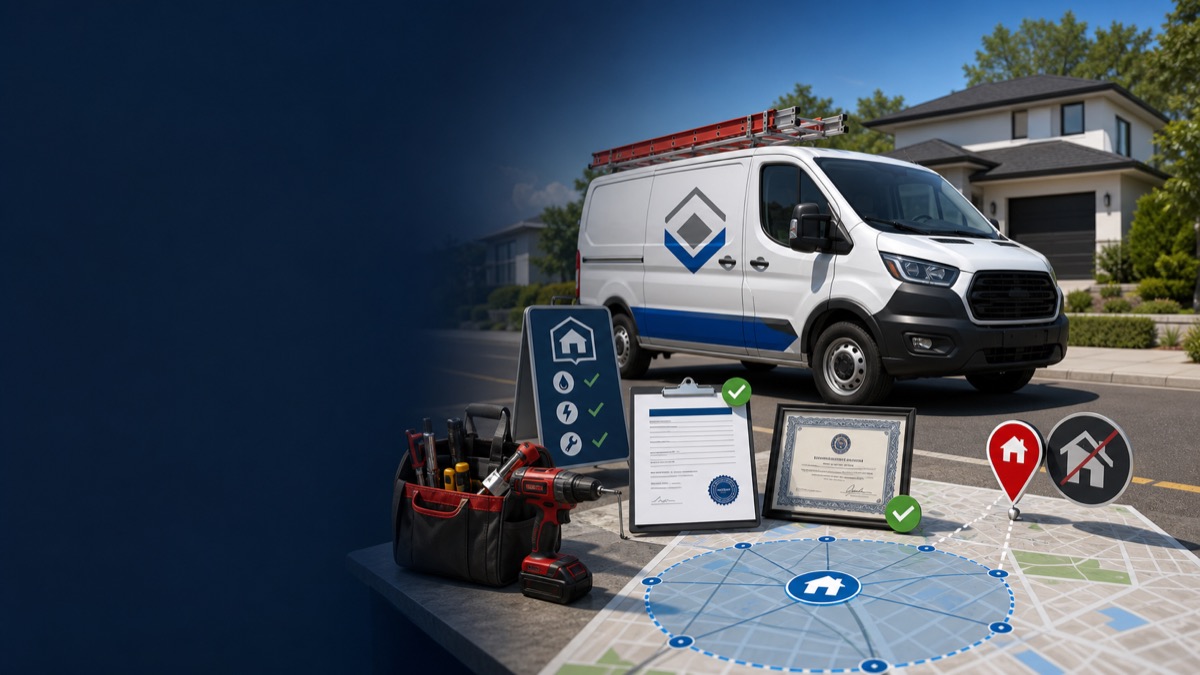
A plumber, cleaner, roofer, towing company, mobile mechanic, or landscaper operating from a home base usually fits the service-area model. A showroom or staffed office that receives customers may fit a storefront or hybrid model.
Evidence for a Real Service-Area Business
The goal is to show that the business performs real in-person work and that the profile accurately represents it.
- Current business registration and trade licence
- Invoices, permits, insurance, tax records, or utility documents with matching details
- Branded work vehicle, uniforms, tools, inventory, and equipment
- Workspace access and proof that the owner controls operations
- Website service pages and contact information consistent with the profile
Common Suspension Triggers to Review
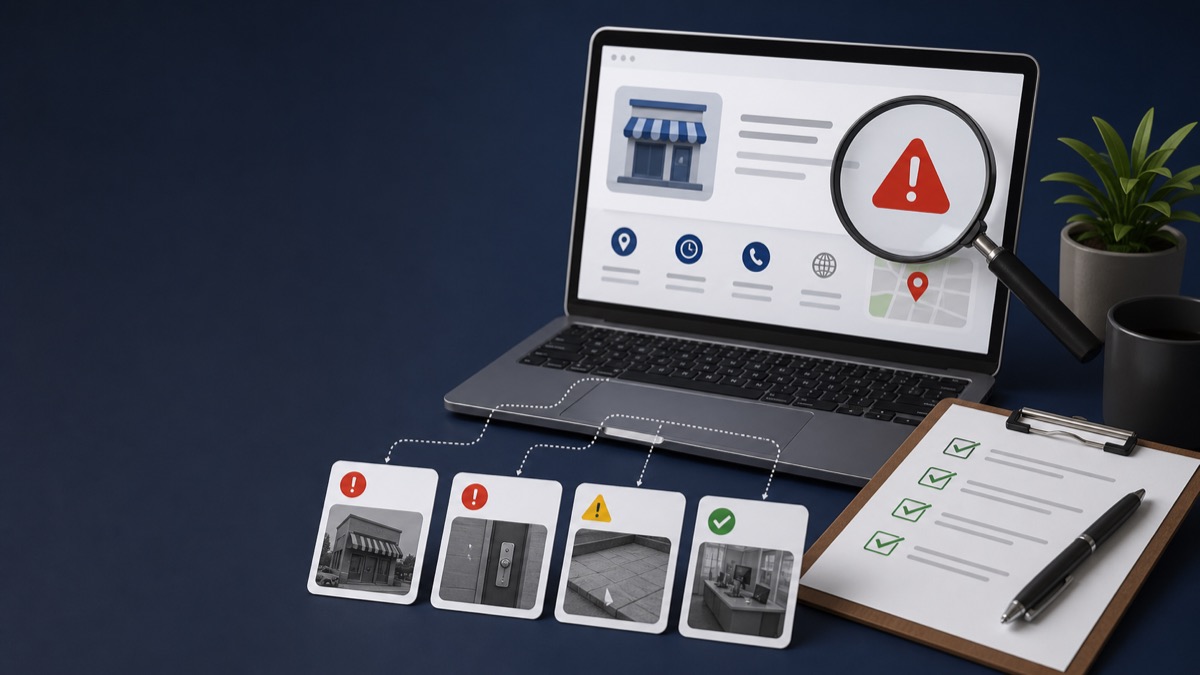
Check for a visible home address, a virtual office, a service area far beyond real operations, multiple profiles for separate services, keyword additions in the business name, and inconsistent phone or website information.
Do not change everything at once without recording the original state and the reason for each correction.
Plan for Video Verification
Google's video verification instructions specifically mention service-area evidence such as street signs, branded vehicles, tools, business documents, and performing the service. Plan one continuous mobile recording that proves location, existence, and management.
Read the full video verification guide before recording.
Frequently Asked Questions
Can a service-area business use a home address?
It may use a legitimate address for verification, but should hide it from the public profile if customers are not served there.
Do I need permanent storefront signage?
Not if the business is correctly configured as service-area only. You still need evidence that the business exists and operates as represented.
Can I create a profile for every city I serve?
Not without separate eligible locations. One service-area business should not create duplicate profiles simply to rank in additional cities.
Get a Clear Answer Before You Appeal Again
Every case depends on the profile, the business model, the evidence, and the action Google has taken. GBP Case helps qualifying businesses worldwide organize the facts and choose the safest next step. Start with a free case review, use the qualification tool, or view anonymous case evidence. New inquiries receive a response within one hour.
This guide is general information, not a promise of reinstatement. Google makes the final decision on every profile and appeal.
Need Help With Your Suspension?
Start with a free consultation and clear case pricing before you decide. We review the issue and explain the recovery path.
Check if I qualify